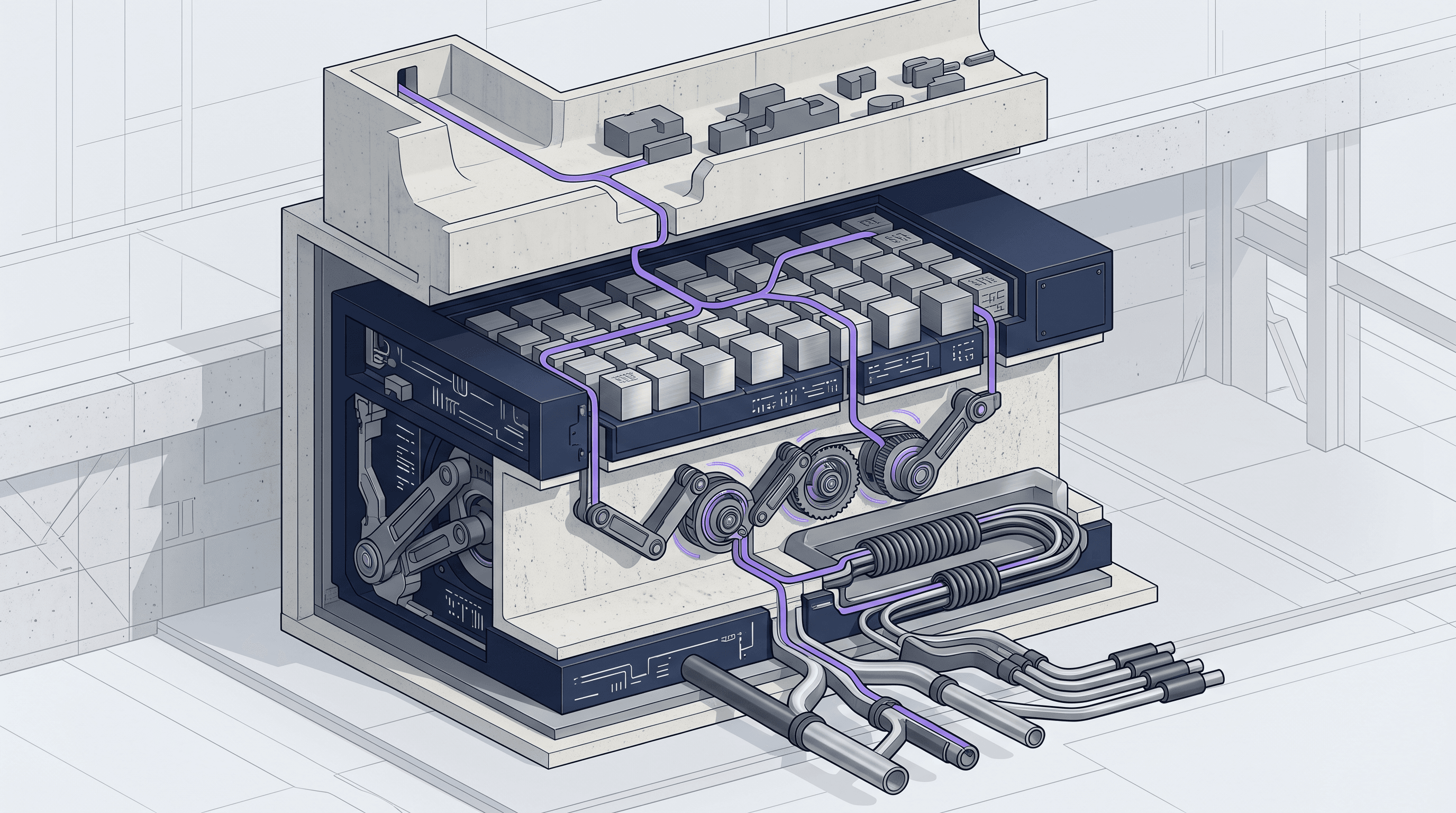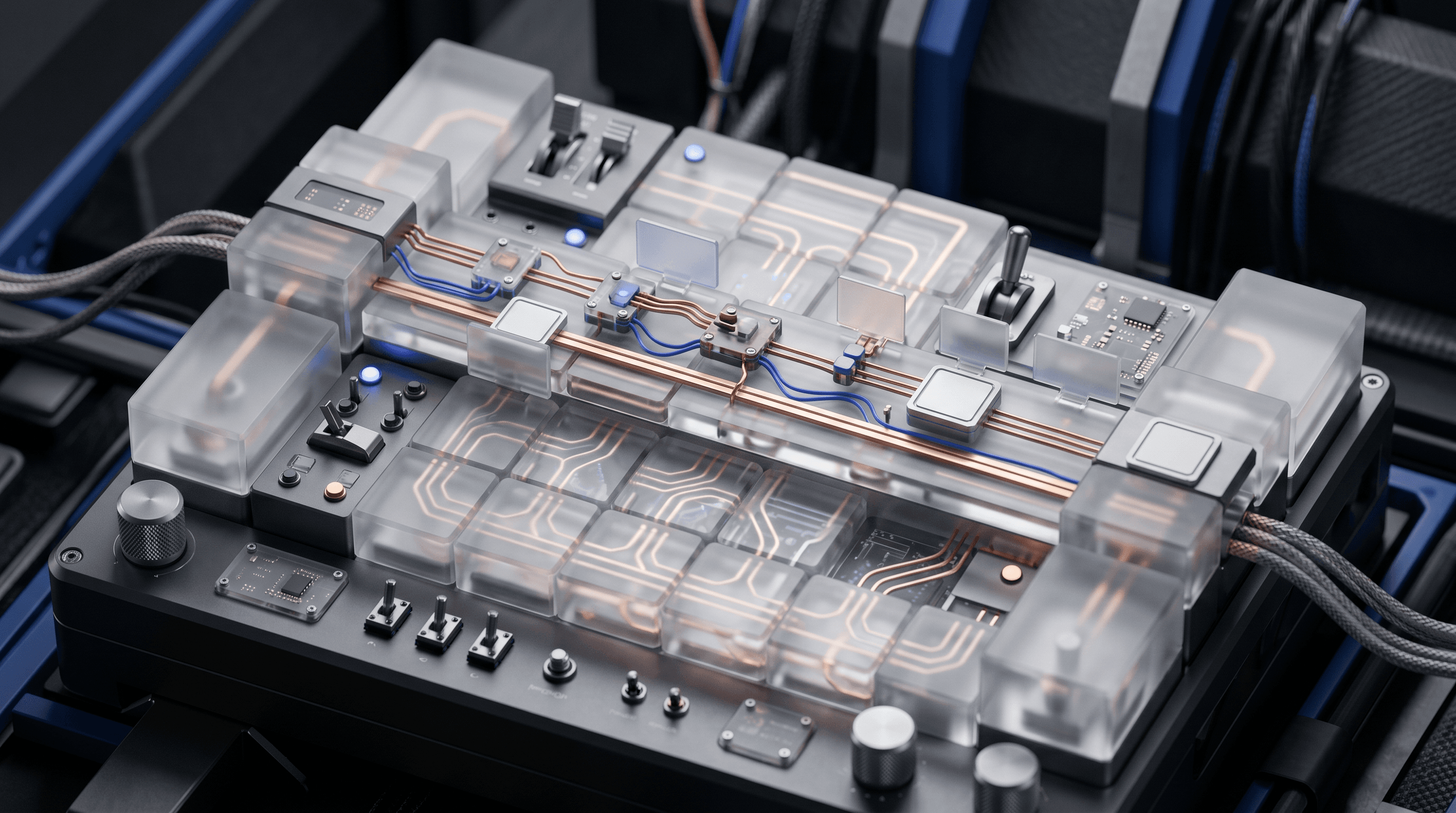
Aggregating multiple AI model providers generally follows one of two architectural patterns: normalizing every model into a single common format, or maintaining multiple native API protocols behind a single base domain. OpenRouter and TokenLab represent these different design approaches.
Evaluating which platform fits an application requires understanding how each handles protocol endpoints, provider-specific features, billing models, and developer tooling.
Architectural Differences
Single-Schema Normalization vs. Multi-Protocol Passthrough
OpenRouter centers its default request interface on an OpenAI-compatible chat completions schema. Models across multiple providers—such as OpenAI, Anthropic, Google, and open-weight architectures—are mapped to standard chat completion endpoints. This normalization simplifies integrations when using standard client libraries configured for OpenAI schema payloads.
TokenLab supports four API formats through one API key, preserving provider-specific schemas rather than forcing every payload through a single structure:
- Chat Completions (
/v1/chat/completions): OpenAI-compatible payload format for standard chat history, streaming, and tool calls. - Responses (
/v1/responses): Supports Responses events, background responses, and Responses-specific tools for models configured withopenai_responses. - Anthropic Messages (
/v1/messages): Direct support for Claude Messages schemas, including extended thinking blocks and Anthropic tool use formats. - Gemini Content Generation (
/v1beta/models/:model:generateContent): Direct Google Gemini REST schema acceptingcontents, parts, file URIs, and proto-level structures.
Supported formats are published per model in GET /v1/models/{model} under tokenlab.accepted_request_formats. For detailed instructions on selecting and structuring requests across these endpoints, consult the TokenLab API Formats guide.
Preserving Provider-Specific Features
When APIs normalize payloads into a common format, advanced provider-specific request parameters can be restricted or require non-standard extensions.
Direct protocol routing preserves native request semantics:
- Extended Thinking: Anthropic reasoning models (such as
claude-sonnet-5andclaude-opus-4-8) pass thinking budgets and output blocks directly through/v1/messages. - Gemini Multimodal and Tool Formats: Structured Gemini parts and tool declarations pass directly to
/v1beta/models/:model:generateContentwithout intermediate translation layers. - Reasoning Control: For OpenAI reasoning families on
/v1/chat/completions, native fields such asreasoning_effortandmax_completion_tokensare handled per OpenAI API conventions.
For details on standard chat completion parameters, see the Create Chat Completion reference.
Architectural Comparison
| Feature | OpenRouter | TokenLab |
|---|---|---|
| Primary API Format | OpenAI Chat Completions (with compatibility wrappers) | Multi-format: Chat Completions, Responses, Anthropic Messages, and Gemini |
| Anthropic Endpoint | Compatibility wrapper | Native /v1/messages format |
| Google Gemini Endpoint | Normalized into Chat Completions schema | Native /v1beta/models/:model:generateContent path |
| Model Discovery | Dynamic provider routing catalog | Filterable REST catalog via GET /v1/models and Models Directory |
| Billing Model | Token-based pricing per provider configuration | Token-based, request-based, and task-based billing depending on model category |
| Supply Tiers | Marketplace dynamic routing | Delivery options including TokenLab Verified and Official supply |
Catalog and Model Discovery
Both platforms provide catalogs of proprietary and open-weight models, including families like GPT, Claude, Gemini, DeepSeek, GLM, Qwen, and specialized media generation models.
- OpenRouter aggregates supply across dozens of hosting providers and open-source inference platforms, emphasizing catalog depth and public routing choices.
- TokenLab catalogs models across text, image, video, audio, and multimodal categories. Applications can inspect supported operations, context windows, and accepted formats programmatically using the List Models API or inspect individual models using the Get Model API.
Because catalogs update regularly as model makers release checkpoints, integrations should inspect catalog endpoints directly rather than relying on static lists.
Billing and Pricing Structure
Pricing mechanics vary between the two architectures:
- OpenRouter sets token rates according to underlying providers and adds routing fees depending on payment method and account level. Verify their public documentation for current rate cards.
- TokenLab charges against a unified prepaid workspace balance without recurring subscriptions. Text and reasoning models typically charge per input, output, or cache token. Asynchronous operations—such as video, 3D, and music generation—bill per task or unit, reserving estimated amounts and recording final costs in Usage upon task completion.
Current rates and supply tiers (TokenLab Verified vs. Official) should be verified via GET /v1/models/:model/pricing or in the TokenLab Billing Guide.
Choosing Between OpenRouter and TokenLab
Choose OpenRouter if:
- Your application architecture relies exclusively on the OpenAI Chat Completions schema across all providers.
- You want community-driven routing across decentralized open-weight inference providers.
- Your workflows are already built around OpenRouter-specific SDK plugins or marketplace configurations.
Choose TokenLab if:
- Your application uses native Anthropic Messages or Google Gemini SDKs and requires direct schema compatibility.
- You use OpenAI Responses features alongside Chat Completions.
- You require a mix of text, video, audio, and specialized multimodal endpoints accessible under a single authentication key.
- You manage workflows across TokenLab Verified and Official provider delivery channels.
To begin testing requests across endpoints, follow the TokenLab Quickstart.
Sources
- https://docs.tokenlab.sh/guides/api-formatsSources checked 2026-09-27
- https://docs.tokenlab.sh/api-reference/chat/create-completionSources checked 2026-09-27
- https://docs.tokenlab.sh/api-reference/models/list-modelsSources checked 2026-09-27
- https://docs.tokenlab.sh/api-reference/models/get-modelSources checked 2026-09-27
- https://docs.tokenlab.sh/guides/billingSources checked 2026-09-27
- https://docs.tokenlab.sh/quickstartSources checked 2026-09-27